

Protecting Your Family: The Most Effective Ways to Reduce Radon in Homes

Updated: Nov 14, 2025
Radon is a naturally occurring radioactive gas found in UK soils, which can build up within enclosed spaces such as homes and workplaces. It is colourless, tasteless and odourless, making it undetectable without specific testing. Reducing radon in homes is crucial, as long-term exposure is linked with a significantly increased risk of lung cancer, especially for smokers and ex-smokers.
Why Is Testing Essential Before You Reduce Radon in Homes?

Testing is the only sure way to determine if radon levels are elevated in your property, since radon can vary dramatically even between neighbouring buildings. UKHSA defines a radon Action Level at 200 Bq/m³ and a Target Level of 100 Bq/m³. Residential properties in Radon Affected Areas (where at least 1% of homes could exceed the Action Level) should always undergo radon testing.
Homeowners, landlords and tenants are advised to use UKHSA-approved test kits, placing detectors for three months in principal living spaces to get accurate yearly averages. You can order an approved Home Measurement Pack from Radon Protection here.
What Are the Most Effective Ways to Reduce Radon in Homes?
Active radon sumps are the most effective method, particularly under solid floors, capable of reducing even high radon levels to well below Action Level. These systems use a small cavity linked to external pipework, with an electric fan continuously extracting radon from beneath the house and venting it to a safe location usually above roof level.
Professional installation ensures compliance with UK Building Regulations and best practices as outlined by BRE. Costs are proportionate to other home improvements, and ongoing running expenses remain low for most UK households.
For homes with suspended floors, under-floor ventilation or mechanical ventilation systems, including professionally installed Positive Input Ventilation (PIV) units, offer substantial reductions, especially where radon levels are moderate.
Do Radon Sumps Really Work for Long-Term Protection?
Yes, radon sumps offer long-term protection with reliability backed by UK research and national radon databases. After installation, immediate and significant reductions are typically achieved, and the system’s effectiveness should be verified by retesting. Annual follow-up testing is recommended to confirm sustained low levels, as per UKHSA advice.
Passive sumps (without a fan) are also available for moderate conditions and have no ongoing running costs, though for high radon concentrations, active (fan-driven) systems are recommended.
When Should You Choose PIV Systems to Reduce Radon in Homes?
Positive Input Ventilation (PIV) is most effective for homes with radon below about 500 Bq/m³. PIV units introduce filtered fresh air into your property, gently pressurising the building so radon cannot seep in through floors and gaps. They improve indoor air quality overall and are cost-effective to install and run.
PIV and other mechanical approaches are outlined in guidance from the UKHSA and BRE—these organisations recommend professional assessment to determine if PIV is suitable for your home.

How Does Sealing and Ventilation Improve Radon Reduction?
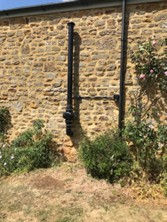
Sealing gaps in floors and walls limits radon entry points but is rarely sufficient as a standalone measure. Complete sealing is impractical for many UK homes and can create condensation issues. Improved natural ventilation (opening windows, using air bricks) can modestly reduce concentrations, but for elevated radon levels, primary technical solutions like sump extraction or PIV are required; or a combination of both systems. The most effective risk reduction comes from combining ventilation and sealing with engineered solutions, tailored to the building’s structure and risk. Consult BRE and UKHSA guidance documents for technical details.
When Is Professional Help Essential Under UK Guidance?
Professional help is essential whenever radon levels in a domestic dwelling exceed the national Action Level (200 Bq/m³) or when basic DIY measures fail. In the workplace environment, for readings over 300 Bq/m³, notification and mitigation requirements may apply under the Ionising Radiations Regulations 2017. All remedial work should be carried out by contractors approved by the UK Radon Council, UK Radon Association, or those referenced in official UKHSA/Building Regulations documentation.
Special attention is warranted for basements, cellars and below-ground areas, as these are at higher risk and almost always require professional expertise and mitigation.
Protecting Your Family Through Early Action

Early action significantly improves family safety and helps keep costs manageable. Proactive testing ensures families in high-risk areas never face prolonged exposure. Smokers are at especially high risk, but all family members—including children and non-smokers—benefit from prompt detection and remedial measures.
Consistent annual testing ensures your home remains safe, especially following building work or changes to property layout.
Act now: Use UKHSA’s home testing service or contact Radon Protection UK for local professional support and comprehensive radon solutions.
Frequently Asked Questions
How long does it take to reduce radon in homes?
Radon mitigation systems reduce radon within days, with full benefits verified after a three-month follow-up test as recommended by UKHSA.
Can I install radon systems myself?
Basic ventilation improvements may be DIY, but sump and PIV installations require professional expertise to ensure safety and compliance.
Are there solutions for all property types?
Yes. Sumps suit solid floors, under-floor ventilation works for suspended floors, and PIV is beneficial for both. UKHSA and BRE provide official guidance for all property types.
What is the cost of professional radon systems?
Sump systems typically cost £1500–£3000. PIV installations range from £1600–£2500. Running costs are low and systems are designed for energy efficiency.
Will radon reduction affect energy usage?
Modern mitigation systems are energy conscious, often improving overall building health without significant energy cost increases.
References, Citations & Sources Used
#reduceRadon #radonmitigationUK #radonsafety #radongasUK #homesafetyUK #radonsumps #PositiveInputVentilation #PIV #radondetectors #radonhealthrisks #homeradonsolutions #radonprotection #familysafety #indoorairquality #lungcancerprevention #radonawarenessUK #buildingsafety #RadonProtectionUK #homeremediation #healthyhomes


Comments